Product-wise stock tracking
Track products by category, brand, unit and location so inventory teams know what is available and where it sits.
Apna POS connects billing, purchases, stock movement and reporting so businesses can manage inventory with fewer blind spots and less dependence on manual tracking.
Businesses in India often need inventory software that supports real store and warehouse conditions, not only generic dashboards. Practical workflows matter more than abstract feature lists.
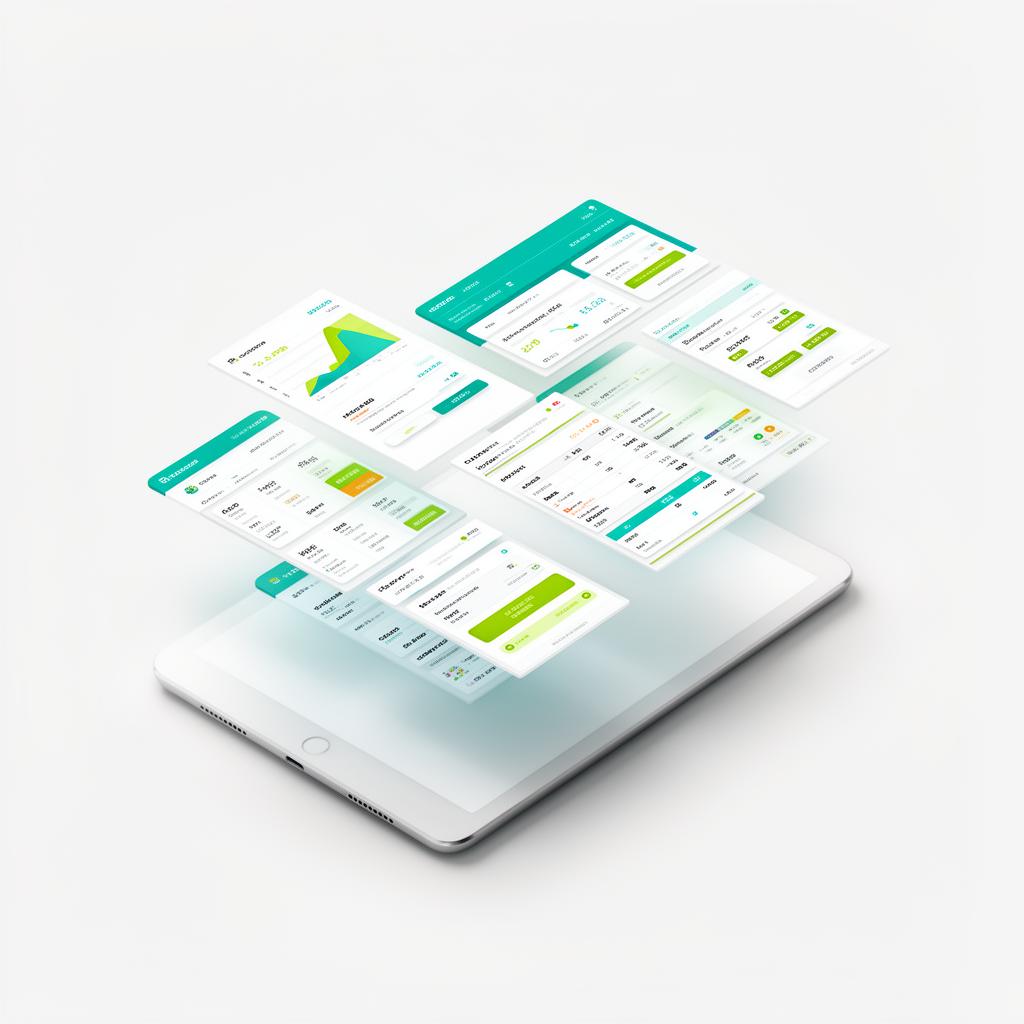
Inventory Management Software is most valuable when it improves everyday execution, not when it simply adds another dashboard to the business. Apna POS connects billing, purchases, stock movement and reporting so businesses can manage inventory with fewer blind spots and less dependence on manual tracking. For operators in India, the ideal outcome is straightforward: faster service at the counter, better visibility into stock and reports that help owners make decisions without waiting for someone to compile numbers manually.
That is why this page looks at inventory management software through the lens of real operating conditions in India. Whether you run Retail chains, Wholesale businesses, Distributors, and Grocery operators or another format close to stock visibility, purchasing control and warehouse movement, the software should help your team complete work faster while giving management cleaner business visibility.
Many businesses in India start with basic billing tools, manual registers or disconnected spreadsheets. The result is predictable: unclear stock positions across locations, manual stock reconciliation, and limited visibility into transfers and purchasing. When teams spend too much time correcting invoices, checking stock manually or confirming numbers at closing time, the software is not helping the business scale; it is creating friction inside the operation.
The issue usually becomes clearer as the business grows. More products, more counters or more branches introduce more pressure on accuracy and reporting. A purpose-built inventory management software setup should reduce that pressure. It should simplify billing for staff, connect stock and sales for managers and give owners a clear picture of what is happening without digging through multiple systems.
The best inventory management software pages do not rank because they repeat one keyword over and over. They rank because they answer the questions business owners in India actually ask before buying: Will the team learn this quickly? Will billing speed improve? Will product or stock visibility become clearer? Will the reports make management easier? Apna POS is positioned around those practical concerns rather than abstract feature lists.
A strong solution should connect the whole operating loop. Billing should be clean, inventory should stay visible, invoices should remain consistent and management should get useful reports at the end of the day. When those elements work together, software becomes an operational advantage instead of just another tool the staff has to open.
Track products by category, brand, unit and location so inventory teams know what is available and where it sits.
Support businesses that need stock awareness across multiple stores, branches or warehouse points.
Identify pressure points earlier so teams can reorder intelligently instead of reacting too late.
Understand how products move through the business rather than treating inventory as a black box.
Use sales activity to improve inventory accuracy because stock and billing are part of the same workflow.
Give owners and managers better information when they review stock health, business trends and category performance.
Apna POS is a practical fit for Retail chains, Wholesale businesses, Distributors, Grocery operators, Food businesses, and Warehouse-led companies. These business formats may look different on the surface, but they share a similar need: a system that is easy for the team to use and detailed enough for ownership to trust. That balance matters in India because many businesses cannot afford a long software learning curve every time they hire or open a new counter.
If you are comparing vendors, ask a simple question: does the product help the actual operating team work faster while giving ownership a better view of the business? If the answer is no, the feature list will not rescue the implementation later. The right fit should feel useful to the person creating the bill and to the person reviewing the report at night.
Owners generally do not buy software because they want more screens. They buy it because they want stronger product visibility, faster stock decisions, and cleaner warehouse coordination. When the platform improves those outcomes, the result shows up quickly in the business: smoother counters, fewer avoidable corrections, better conversations about stock and more confidence in management reporting.
These results matter even more for businesses in India where the same owner may oversee billing, purchasing, staff training and business expansion. A dependable system reduces the number of small issues that pull attention away from growth. It gives teams a repeatable process and gives owners cleaner numbers to act on.
Most buying mistakes happen when businesses judge software only by the sales presentation. A better approach is to compare the details that affect daily execution: multi-location visibility, movement history, low-stock alerts, and purchase tracking. Ask the vendor to show the exact workflow your staff will use, not a polished tour that avoids real-life complexity.
You should also check whether the system can grow with the business. A platform that works for one outlet but struggles when you add more products, more users or more locations will become expensive to replace later. The right inventory management software should solve today’s bottlenecks while keeping the door open for tomorrow’s expansion.
Businesses in India often need inventory software that supports real store and warehouse conditions, not only generic dashboards. Practical workflows matter more than abstract feature lists.
This is where Apna POS aims to be useful. The product messaging focuses on GST-ready invoicing, inventory visibility, outlet-aware reporting and simple daily workflows. That combination is especially relevant for Indian businesses that want strong execution without carrying the complexity of a heavy enterprise rollout from day one.
Inventory projects succeed when opening stock, units, categories, warehouse names and transfer rules are cleaned before the software goes live. Businesses that take the time to do this groundwork usually see better adoption and fewer surprises in the first few days after launch. They also train staff faster because the workflows mirror the way the business already operates.
If you want to evaluate Apna POS seriously, the best next step is to book a focused demo. Share your business type, number of outlets, rough product count and current challenges. That makes it easier to see whether the billing flow, stock controls and reporting model fit your actual business rather than a generic software scenario.
The same platform can support stock visibility, purchasing control and warehouse movement while giving owners clearer reports, practical invoices and a faster route from setup to daily use.
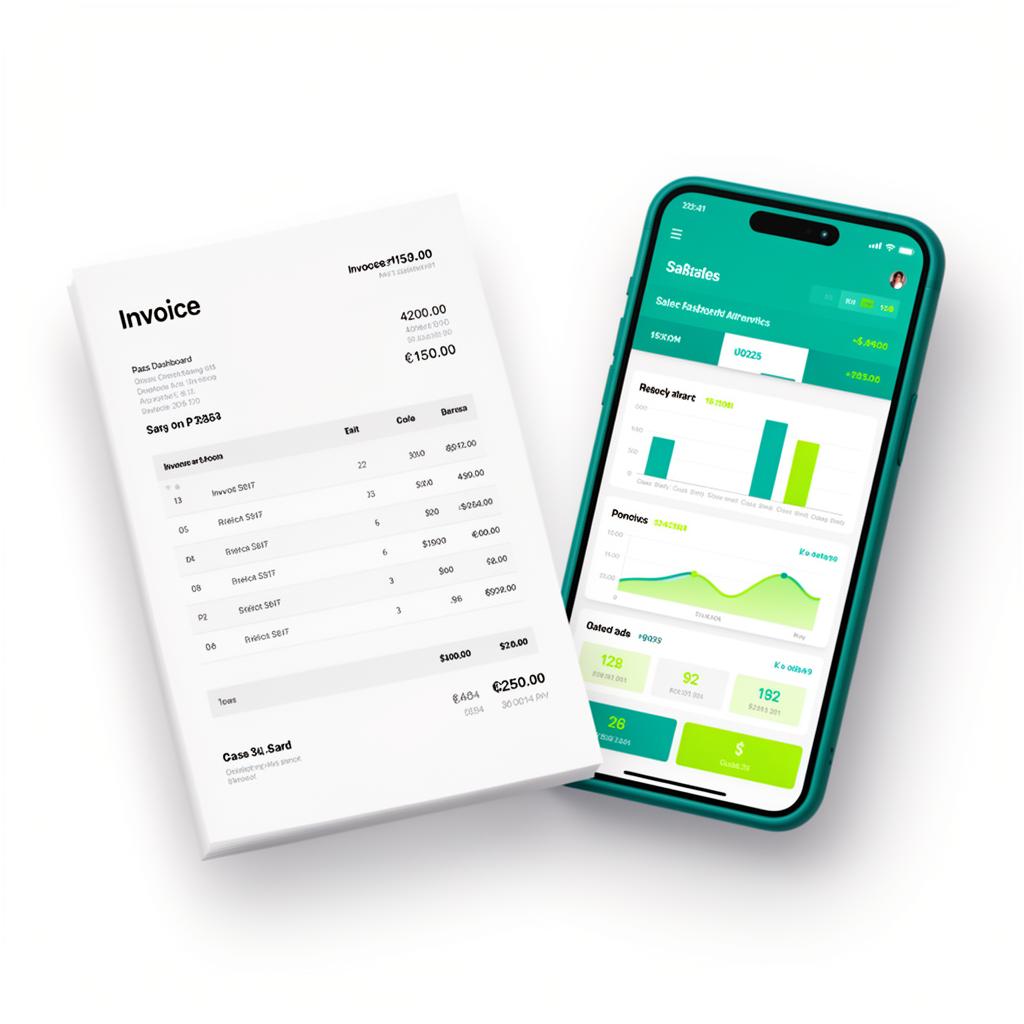
It gives teams a clearer view of stock, product movement, low-stock situations, purchasing patterns and branch or warehouse visibility so decisions happen faster and with fewer errors.
When sales and inventory work together, stock updates stay closer to reality and management gets a more accurate picture of what products are actually moving.
Yes. Apna POS is positioned for businesses that need stock visibility across more than one location and want centralized reporting around that movement.
Review location visibility, alerting, stock movement history, reporting, onboarding simplicity and how easily the software works alongside billing and invoice processes.
Share your outlet count, product volume and current billing challenges with the Apna POS team. We will walk you through a demo built around your real workflow.